
- Home
- Blog
- The INTERMED Group
- Solutions
- Expertise
- Recruitment
- Documents
- Contact

Nowadays,hand hygiene is as essential in our daily lives as it is in healthcare establishments, industries, nurseries, etc....
Three ways to wash your hands, to avoid the transmission of hand-carried infections or contamination between two patients or residents.
In our everyday lives, at the office, for hospital staff, visitors, etc....
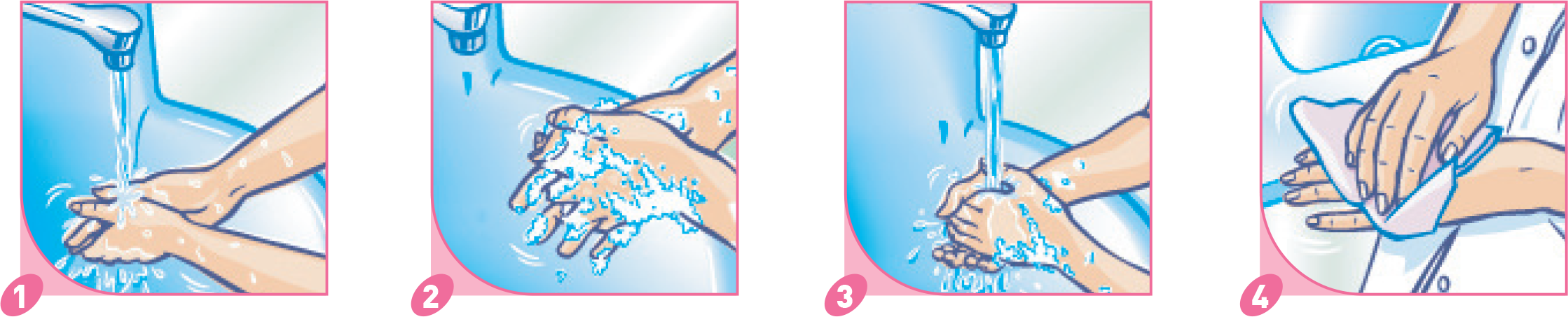 For
For
Remove dirt from hands,
Reduce the number of bacteria
Avoid contamination
Keeping hands clean with the naked eye
When to use?
Before and after meals
After using the toilet
After any messy gesture
After blowing your nose...
Techniques
Wet hands
Soap for at least 15 seconds
Rub
Rinse with plenty of clean water
Pat dry with a clean cloth
Which product?
ANIOSAFE mild soap
ANIOSAFE ultra mild soap
For hospital staff, catering, homecare...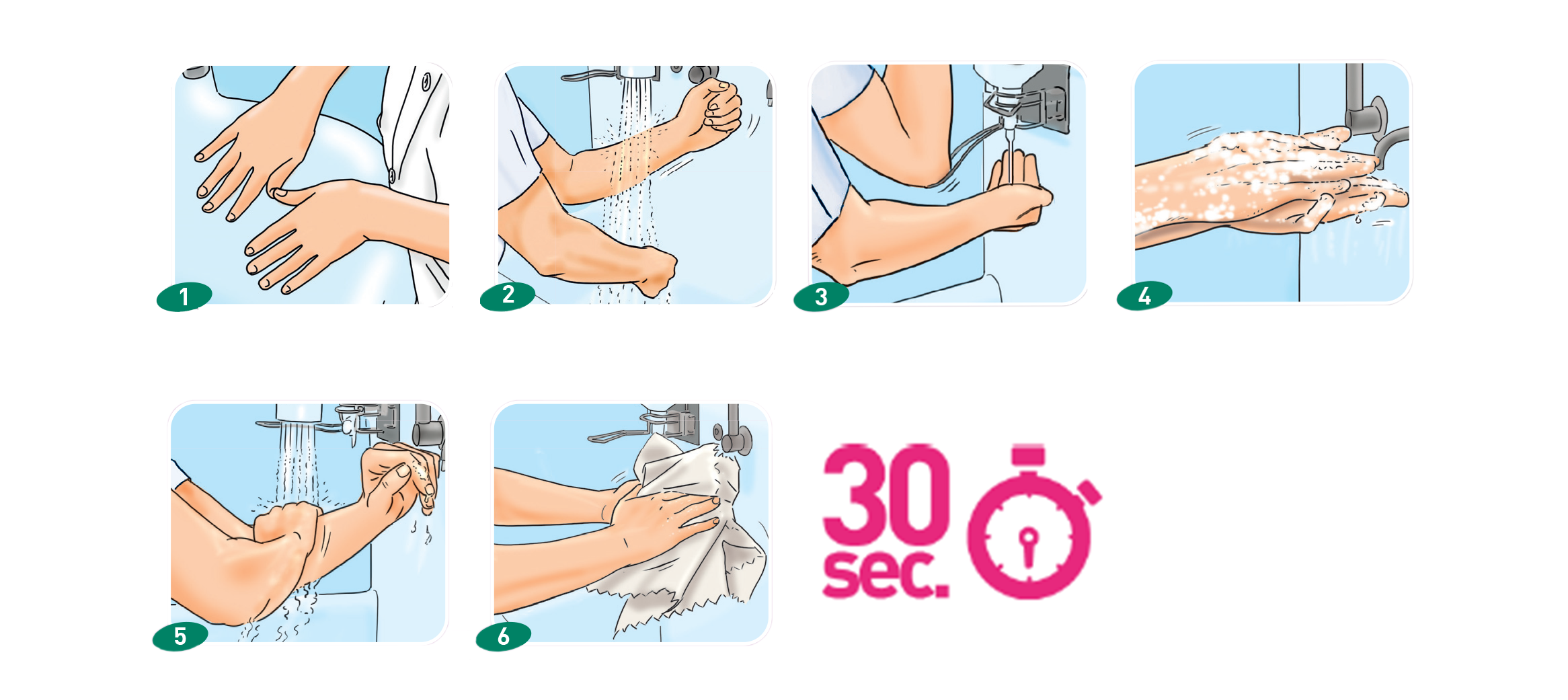 Before
Hospital care (catheter insertion, urinary catheter, etc.)
Between 2 patients to avoid cross-contamination
Before meal preparation...
Techniques
The technique is the same as for simple washing, except that it also includes the wrists.
Wet hands
Soap for at least 30 seconds
Rub
Rinse with plenty of clean water
Pat dry with a clean cloth
Which product?
Speed soft
Dermanios scrub
For surgeons, nursing staff...
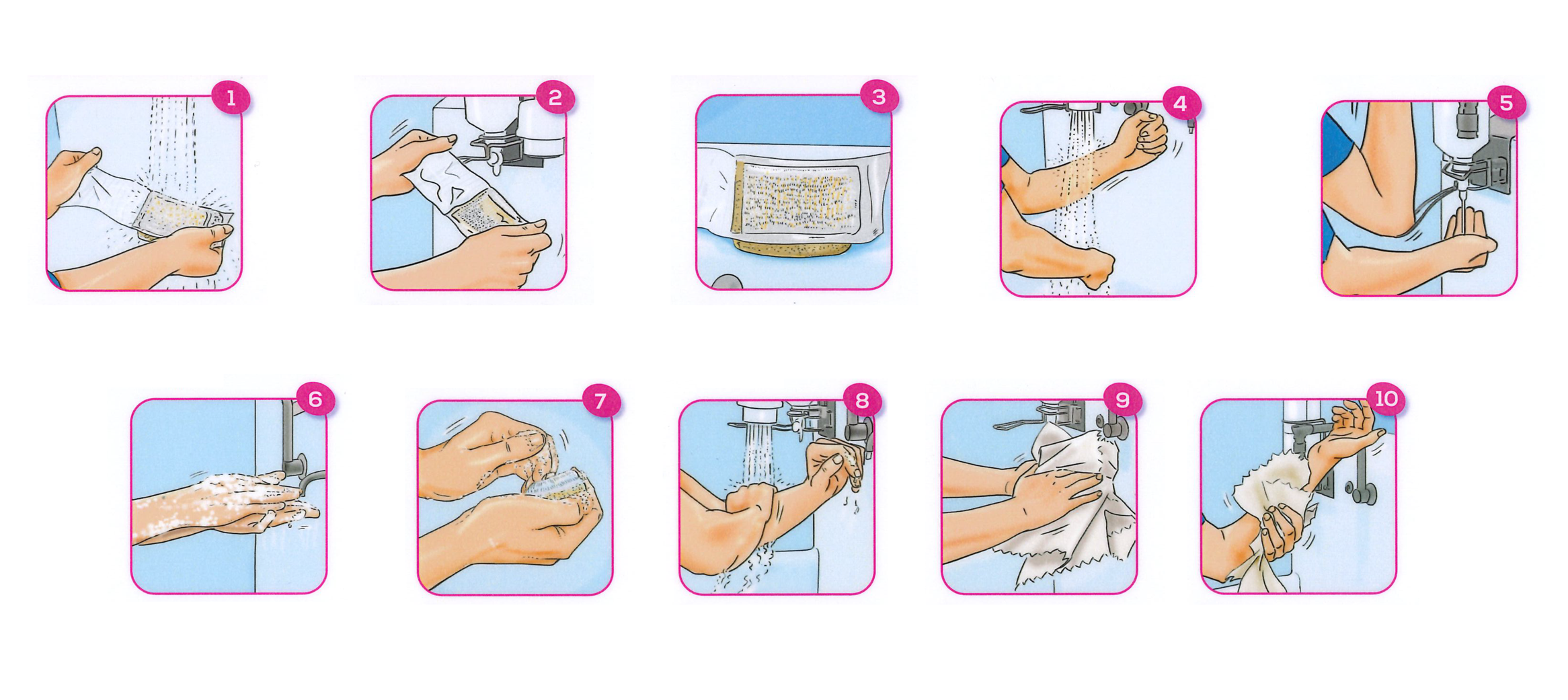
Before
All surgical procedures
Before any procedure
Before preparing meals in canteens, etc....
...
Techniques
The technique is the same as for hygienic washing, except that it also covers the forearms up to the elbow.
Take a dry brush, wet it on the brush side and apply a dose of soap.
Wet hands
Soap for at least 30 seconds
Scrub
Rinse with plenty of clean water
Pat dry with a clean cloth
Which product?
Speed soft
Dermanios scrub
Hand washing is not enough to control the spread of bacteria. It is therefore strongly recommended that, in healthcare establishments, before and after any act of care, on hands that are clean to the naked eye, uninjured and thoroughly dry, hydroalcoholic friction is used.
Products :
Aniogel 800, Aniosrub
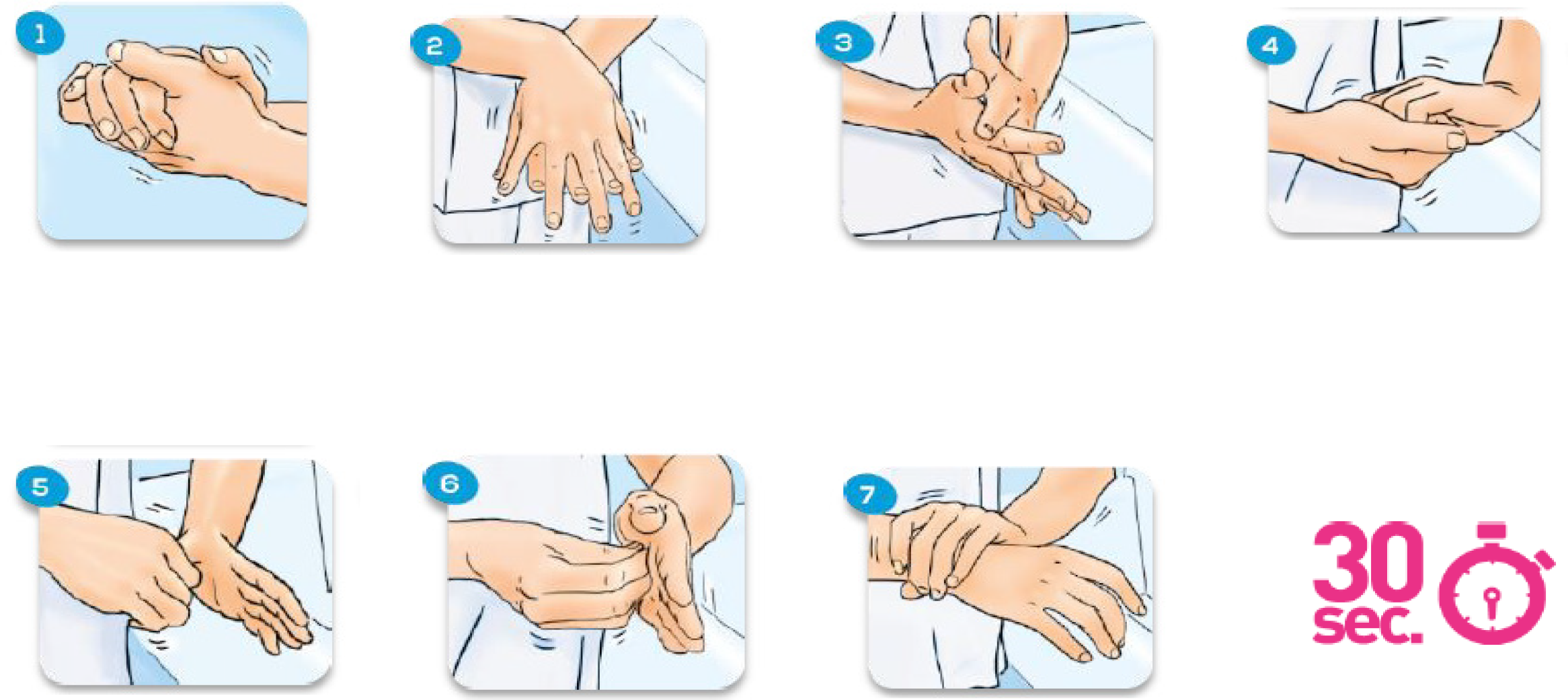
Indicators of hydroalcoholic solution consumption - ICSHA3 - have been set up in the REANIMATION, SURGERY and MATERNITY departments.
The purpose of this indicator is to record the number of rubs per day of hydroalcoholic solution, as defined by the French Ministry of Health. It is presented as a percentage and a performance class (A to C). It is an indirect marker of hand hygiene implementation.
It takes into account :
Today, Staphylococcus aureus, the emblem of bacterial resistance in the hospital environment, accounts for barely 2% of hospital-acquired infection reports, compared with 10% in 2003. This progress is essentially due to good hand hygiene and the introduction of hydroalcoholic gels/solutions.
If you would like to improve hygiene measures in your establishment, please contact HYDENET.
So for a germ-free life.... WASH YOUR HANDS
Faced with the COVID-19 crisis, the demand for respirators increased.
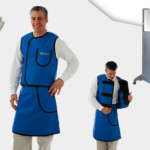
HISTORY Radioactivity was discovered in 1896 by Henri Becquerel and pa
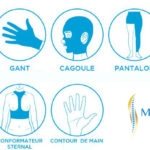
There are 20,000 child victims of domestic accidents every year in France, including